 PickVids
Best Nutrition & diet science Videos
The 67 Nutrition & diet science videos here were recommended by different people across different months. Choose by who it is for: 0 introductory, 13 intermediate, 54 for a general viewer, and 0 for someone who wants the harder derivation. Most of them are an explainer. What they share is that one picture or analogy is used to supply a missing concept. Channels you will keep seeing include Low Carb Down Under, TEDx Talks, Joseph Everett - WIL.
Salt: Are you getting Enough? (More Sodium & Health)
Joseph Everett argues, drawing on the book The Salt Fix, that most people benefit from more rather than less salt, and reviews studies on sodium, potassium and blood pressure.

Valter Longo, Ph.D. on Fasting-Mimicking Diet & Fasting for Longevity, Cancer & Multiple Sclerosis
Rhonda Patrick interviews USC gerontologist Valter Longo about fasting, the fasting-mimicking diet, and their effects on longevity, cancer, and multiple sclerosis.

How to Enhance Your Gut Microbiome for Brain & Overall Health
A Huberman Lab podcast episode on the gut-brain axis and how the gut microbiome affects the nervous system, hunger and overall health.

"The Dangerous Truth About Protein" - Janice Stanger, Ph.D.
A presentation by Janice Stanger arguing that protein is overhyped and that excess or the wrong kinds of protein are harmful.
Dr. Chris Knobbe - 'Diseases of Civilization: Are Seed Oil Excesses the Unifying Mechanism?'
Ophthalmologist Chris Knobbe argues that excess omega-6 seed oils are a unifying cause of chronic diseases of civilization such as diabetes and macular degeneration.

The Obesity Code Lecture (Why do we get Fat?) Part 1
Dr.

D is for Debacle - The Crucial Story of Vitamin D and Human Health
Ivor Cummins gives an 82-minute presentation on the history and science of vitamin D and human health.
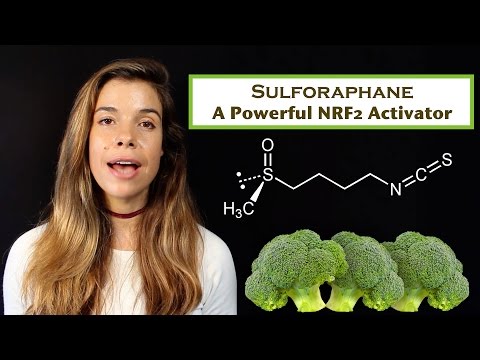
Sulforaphane and Its Effects on Cancer, Mortality, Aging, Brain and Behavior, Heart Disease & More
Rhonda Patrick of FoundMyFitness makes a case for isothiocyanates such as sulforaphane from cruciferous vegetables and broccoli sprouts.

Dr. Jason Fung: Fasting as a Therapeutic Option for Weight Loss
Dr.

Why is it so Easy to be Thin in Japan?
Joseph Everett compares the food environment of the US, with roughly 30% obesity, to Japan's, around 3.5%.

If You Eat Meat You Should Know This
A Kurzgesagt video on the conditions in which most farm animals are raised.
Best Speech You Will Ever Hear - Gary Yourofsky
Gary Yourofsky's 2010 lecture at Georgia Tech arguing for veganism on ethical, health and environmental grounds.
How Sugar & Processed Foods Impact Your Health | Dr. Robert Lustig
A long Huberman Lab podcast episode with Dr.
What is the best diet for humans? | Eran Segal | TEDxRuppin
Prof.
Is Organic Really Better? Healthy Food or Trendy Scam?
A Kurzgesagt explainer asking whether organic food is really healthier or better for the environment.
Evidence-Based Weight Loss: Live Presentation
Dr.
Is Meat Really that Bad?
A Kurzgesagt animated explainer on the climate and environmental cost of meat.
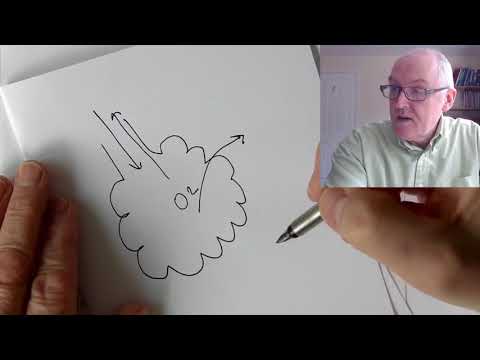
Vitamin D and Immunity, Lots of Evidence
Dr.

Debunking Dr. Robert Lustig's Claims from The Huberman Lab Podcast | Educational Video | Biolayne
Dr.

Everyone is Wrong About Mexican Coke (Even @johnnyharris)
ACS Reactions investigates why Mexican Coke, supposedly cane sugar sweetened, tested as having glucose and fructose, explaining that sucrose breaks down in acidic soda.
Why Meat is the Best Worst Thing in the World 🍔
A Kurzgesagt animated explainer on meat: why people love it and what it costs animals, the environment and health.
Your Coffee Addiction Is Probably Good for You
CGP Grey's short explainer arguing that caffeine addiction is mostly harmless and may even be beneficial.
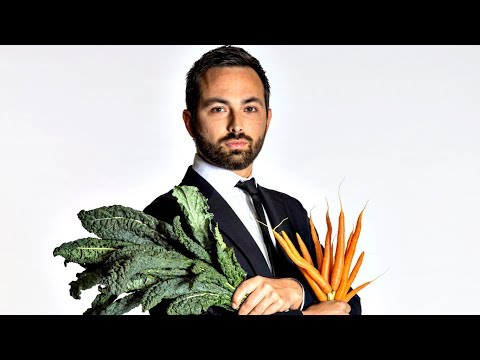
Is Our Food Becoming Less Nutritious?
Veritasium examines whether food has become less nutritious, weighing soil depletion, selective breeding and rising atmospheric CO2.

The Secret Reason We Eat Meat - Dr. Melanie Joy
Social psychologist Melanie Joy introduces the concept of carnism, the belief system that conditions people to eat some animals but not others.